about me
My interest in psychology began because of my interest in trying to navigate difficult relationships. I tried to follow relationship advice that suggested I ‘pick my battles’ and ‘choose peace over winning.’ I often felt stuck with no good options. I felt like the answer was to ‘focus on the positive,’ ‘try harder,’ and ‘be more understanding.’ I noticed that in an effort to be good, I aimed to please others. Despite being well-liked for doing so, I grew resentful.
With the right guidance, I noticed that it was possible to change—to set boundaries and make choices that were right for me. But, these choices often came with consequences. Often people were upset, and at times, I was seen as ‘selfish.’ Even learning to express my feelings of being hurt was hard. Worse yet was when I tried to name and address problematic behaviour. As this has often led to being identified as 'the problem.’ Society’s rules and expectations about being a woman and how to behave in a relationship were at the heart of my experiences, where my pain and my knowledge were often discredited because my gender is commonly perceived as emotional and irrational.
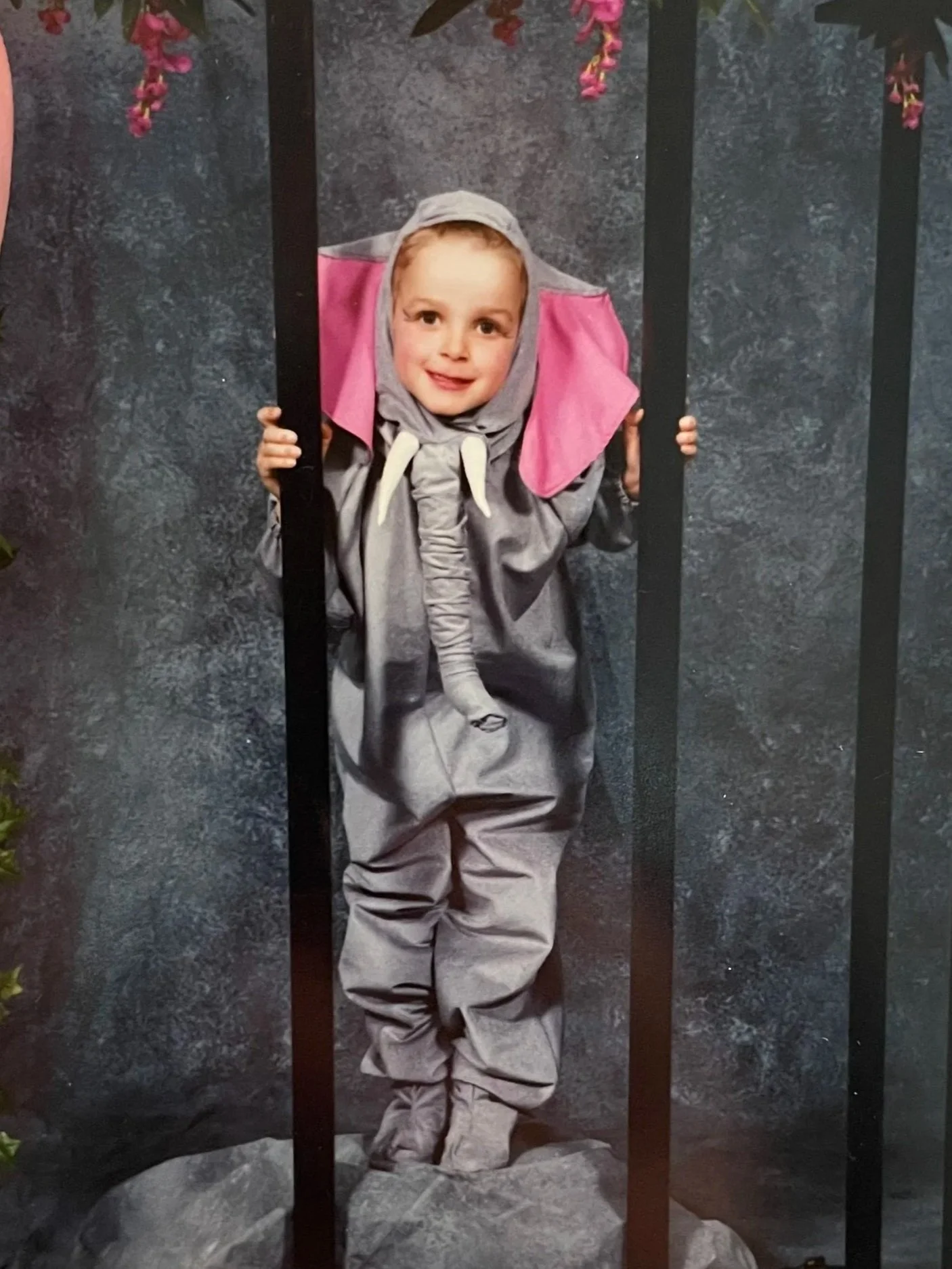
Even as a young girl …
I noticed that the time, knowledge, and skills of men were valued and respected in a way that women’s roles and responsibilities were not. Views about women were centred on romantic love and relationships, as if being in a relationship was the only part of a woman’s identity that mattered and should be prioritized above all of her other aspirations that also offer her with meaning and joy. It’s implied that these relationships come with enduring life satisfaction.
The most adored and celebrated women were the most self-less. The ones who continuously worried about or prioritized the needs and desires of others over her own. Love seemed to be measured by a persons willingness to sacrifice what they wanted and needed for the other person.
There’s no mistaking that a number of positive changes have occurred for women, but there is still a long road to go to achieve true equality, especially in romantic relationships and in the home. Heterosexual relationships are hard to navigate because of the unconscious attitudes (biases) and expectations we have for men and women based on gender. These expectations and biases are hard to navigate because of their commonality and the consequences women experience when they behave in gender ‘atypical’ ways.
For me, learning about the ways gender affects women’s mental health has empowered me to want to advocate for and increase the knowledge of all women. As for me knowledge is empowering.
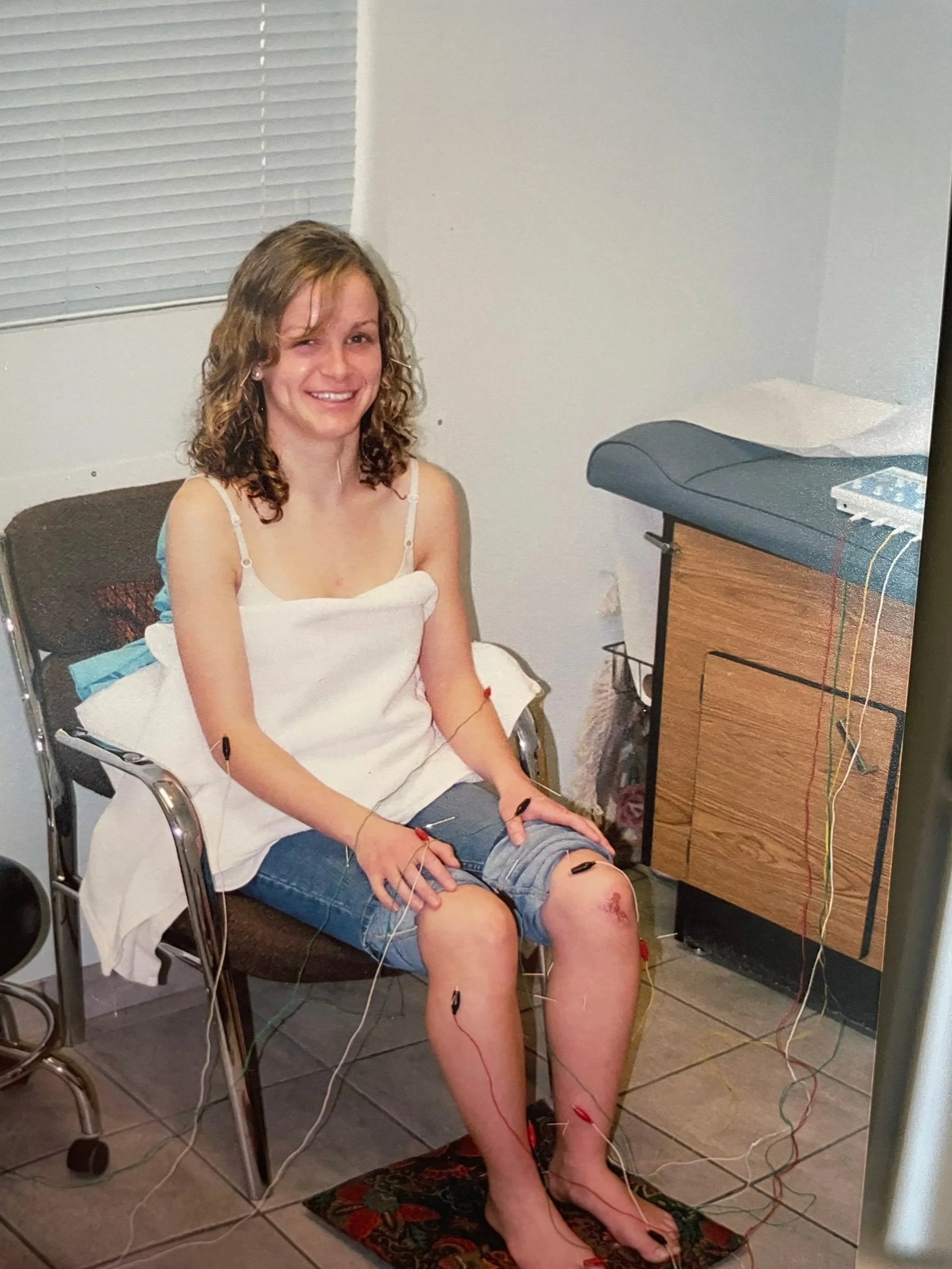
At the age of 13, I started getting headaches daily. I didn’t understand my symptoms well at the time, nor did I have the right language to describe my symptoms.
My journey with chronic pain, gut issues, sensory issues, and muscle issues was long. I lived in pain daily for 21 years, trying every treatment or self-management strategy suggested. My attempts to manage my symptoms with exercise, stress management, dietary changes, stretching and physiotherapy were necessary to avoid a flare-up, but they were ineffective at providing relief.
my journey with chronic pain
ADHD was the missing link
In my Master of Counselling, I learned about ADHD in detail and I realized that many the physical symptoms I experienced occurred at higher rates than normal for people with ADHD. While I had previously wondered if I had ADHD, I was always able to talk myself out of it. Learning more about ADHD and how it shows up for women, I thought I should get assessed.
As a result of this diagnosis, I had new language for my symptoms that enhanced my ability to find information about my symptoms that I experienced that were previously unexplainable. For these reasons, I am passionate about sharing my lived experience and the knowledge I've learned along the way.
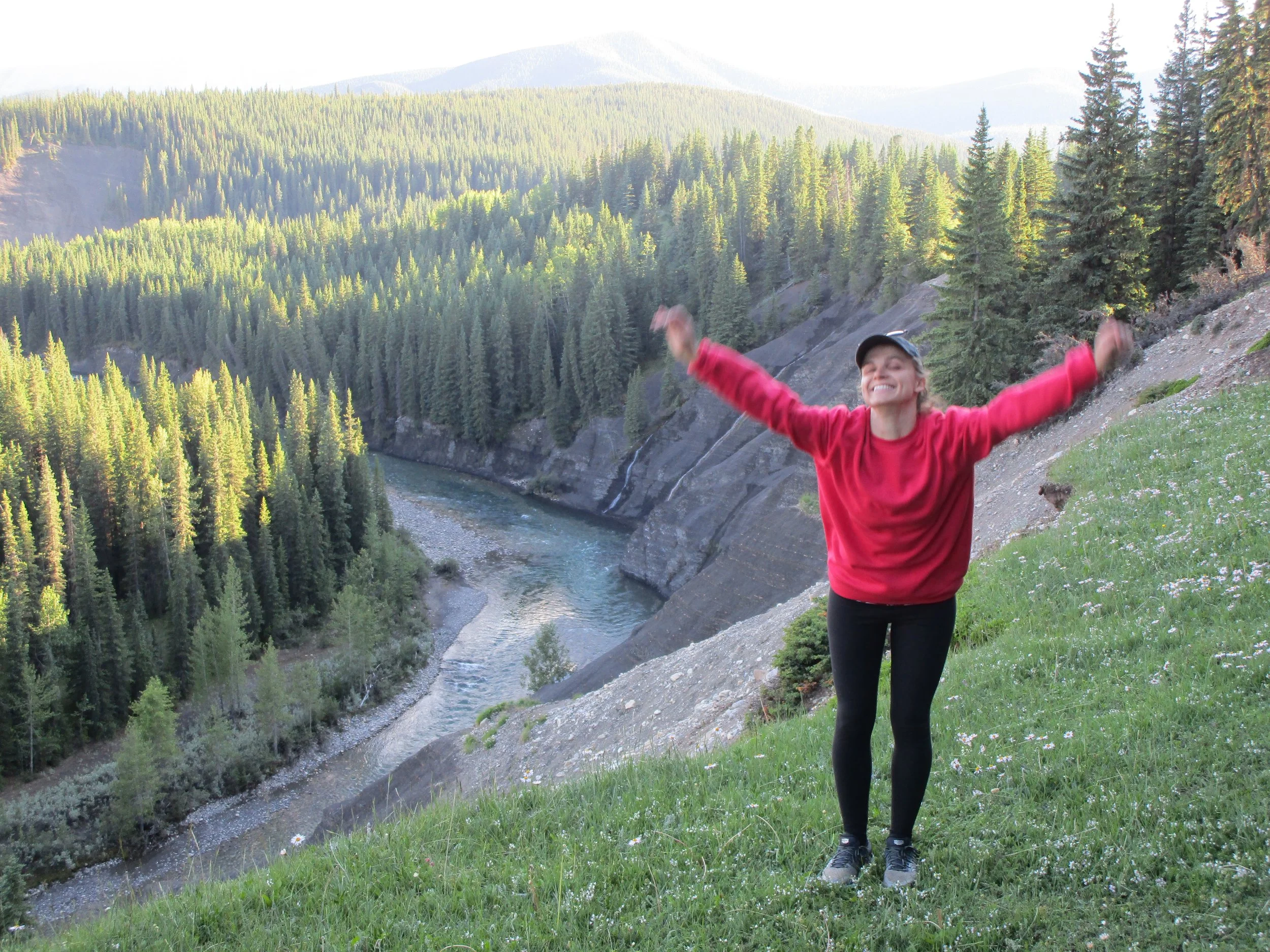
My physical symptoms were so overpowering that I was open to exploring my inner discomfort as a people pleaser. It was in my journey to become more assertive that I realized how difficult it is for women to set boundaries in their relationships.
In the midst of my journey with pain
outside of work
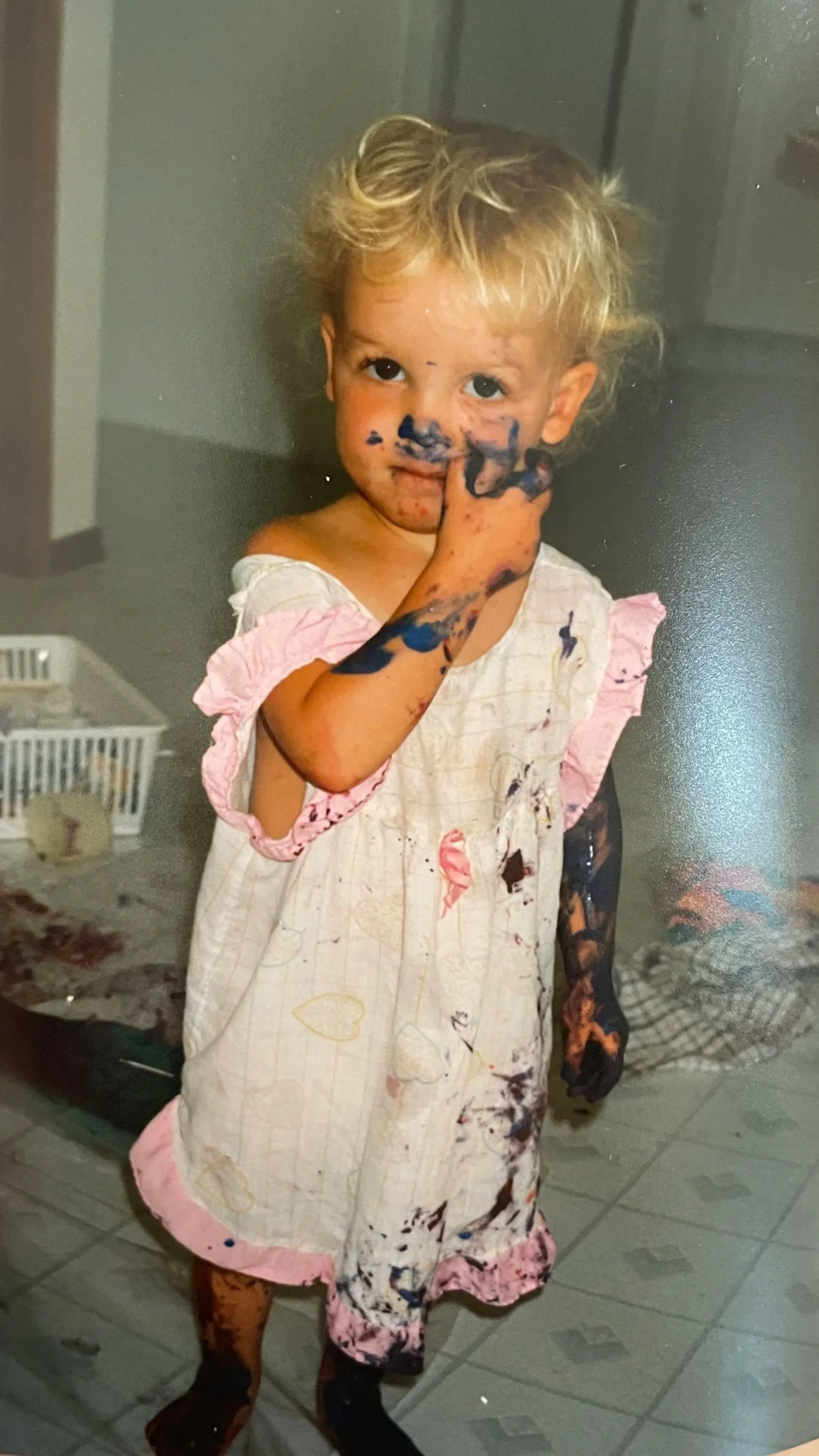
I am a bit quirky, as most people with ADHD are. I might bounce between doing nothing, eating good food, and dancing alone in front of a mirror for hours while listening to my favourite songs on repeat.
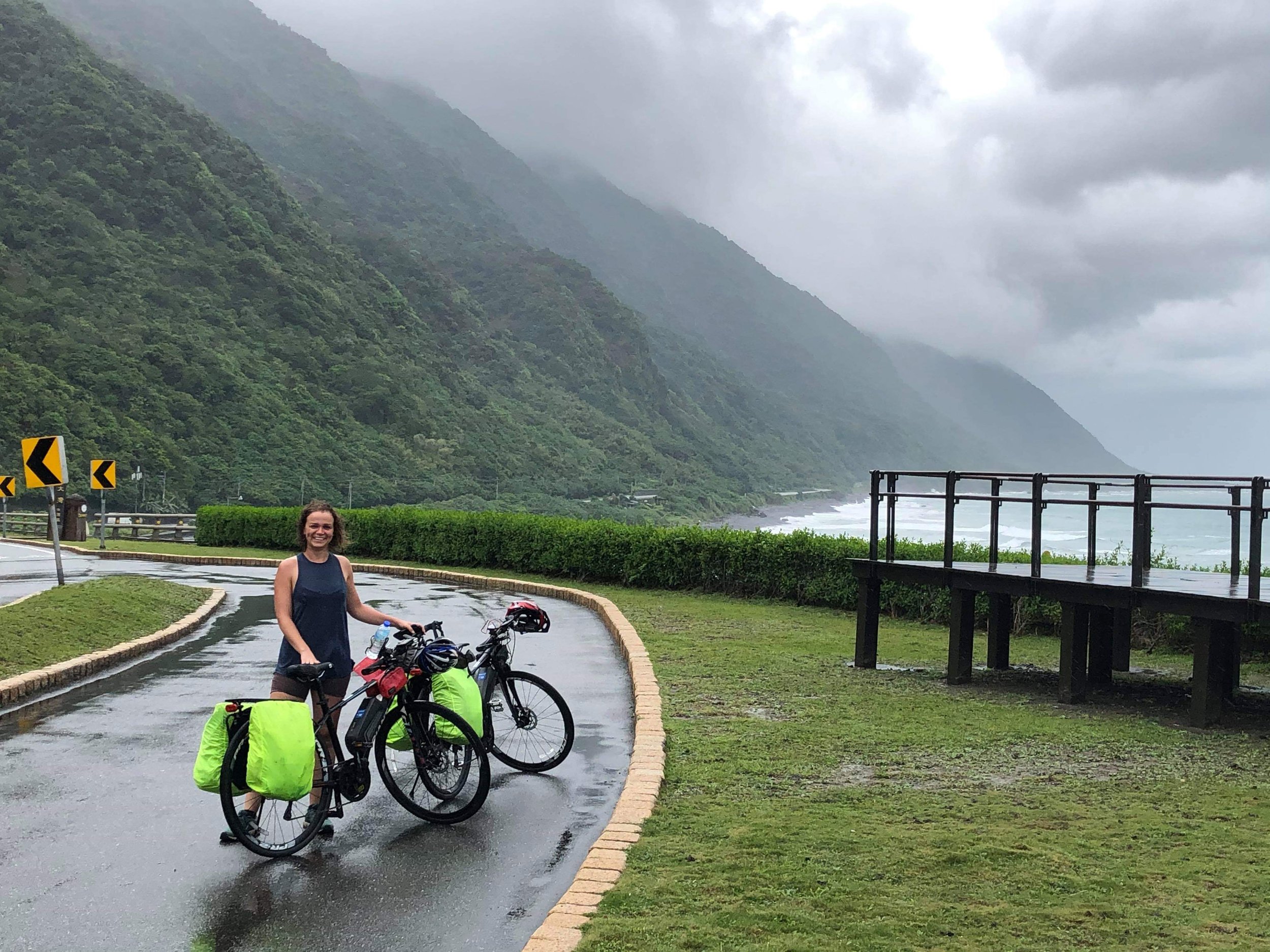
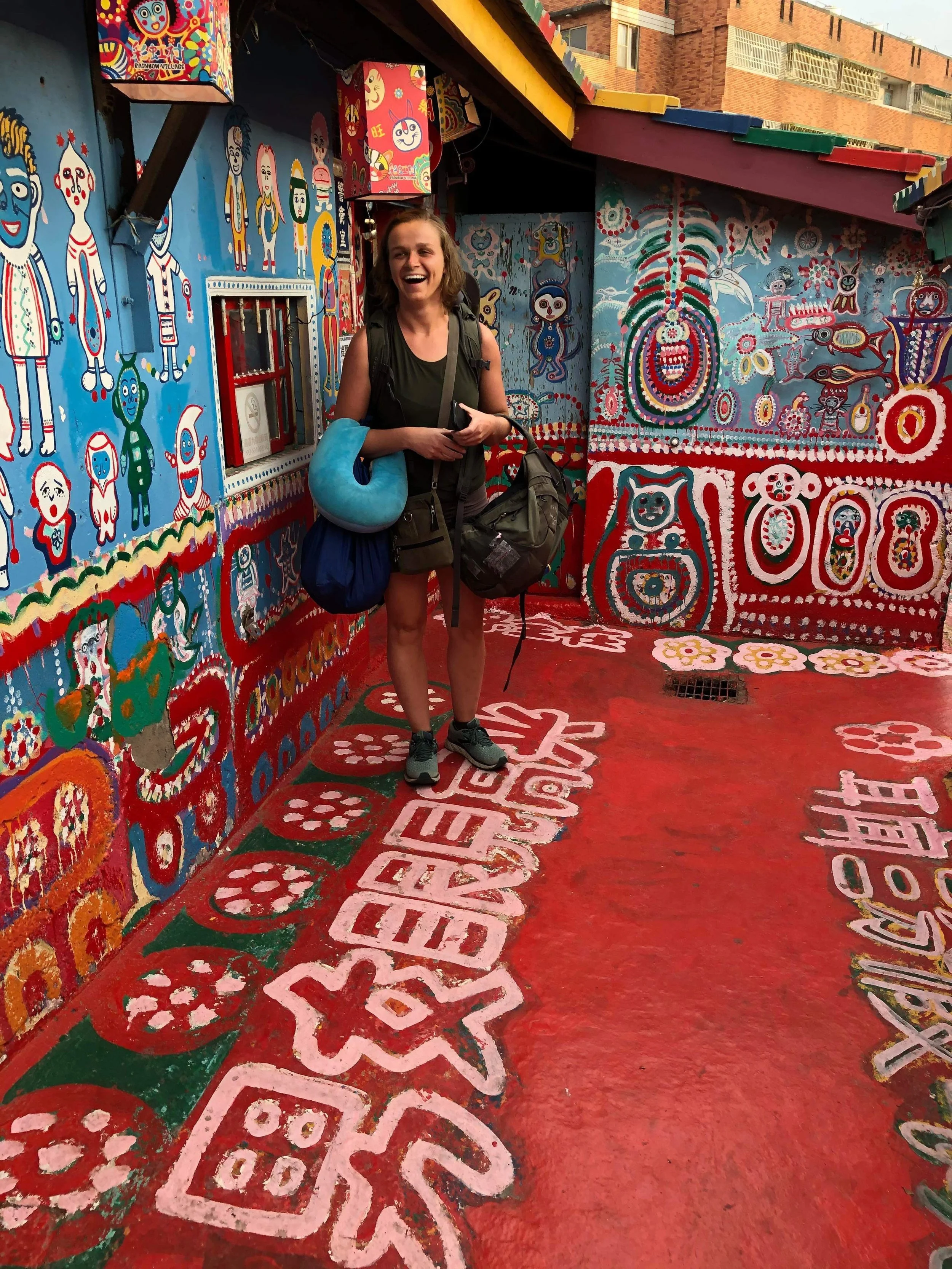
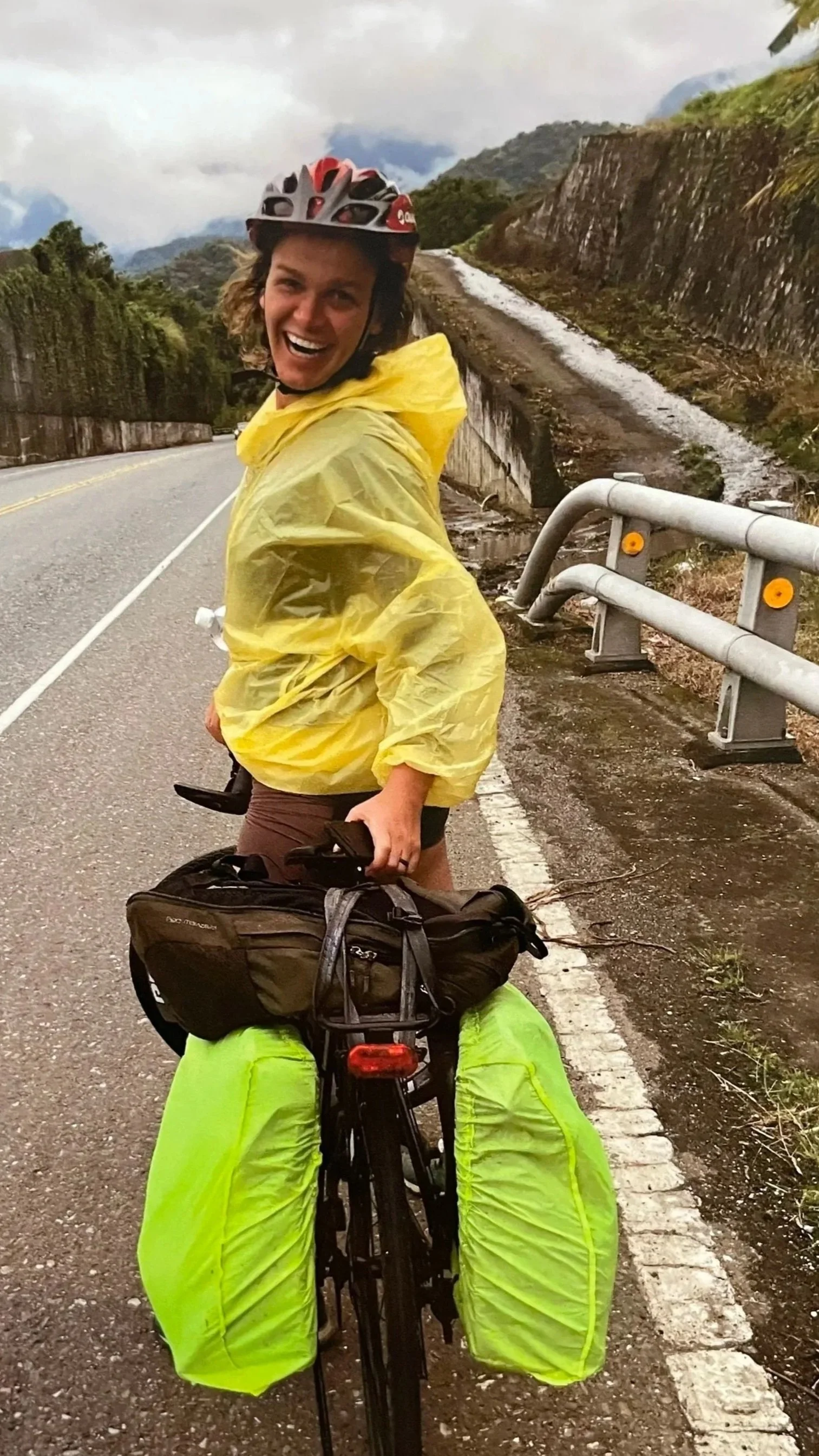
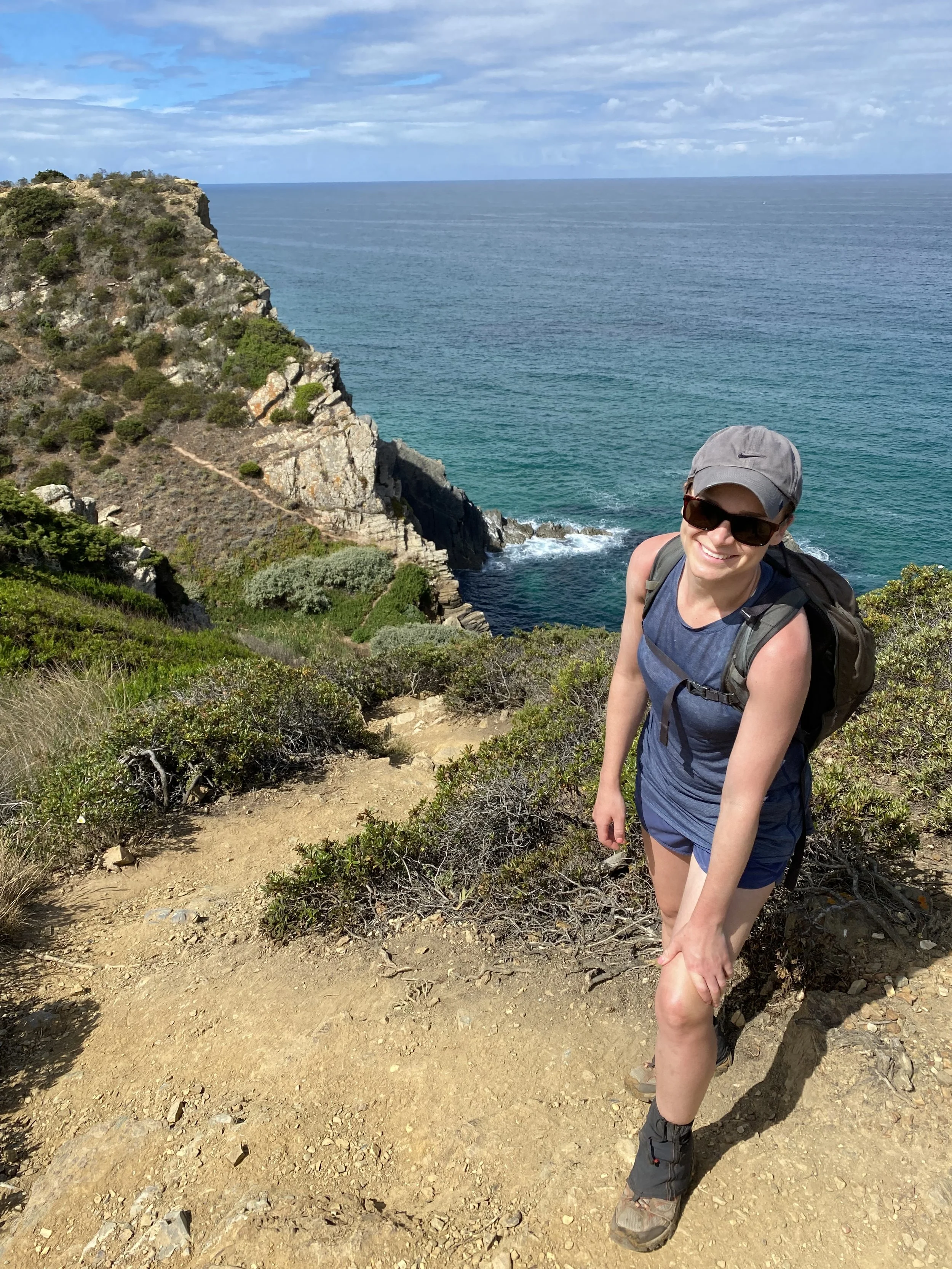
I love being near water, swimming in a lake or travelling the world. Growing up my hobbies included dance, running and water-skiing.
As an adult, I’ve been learning how to draw and play basketball (shooting hoops). My favourite adventures involve travelling, being active and eating delicious food (that I don’t have to prepare).